Getting the number of portable toilets right saves queues, complaints, and money. Too few units choke an event, undermine site productivity, and strain hygiene. Too many eat budget and space you may not have. I have seen both mistakes on Essex fields and construction sites, and the fix usually comes down to the same handful of variables: headcount, gender split, alcohol, duration, breaks, layout, and servicing. The details matter. With mobile toilet hire Essex planners often ask for a neat formula. There are rules of thumb, but the smart answer uses those rules and then adjusts for the edges you know you have.
J&S Toilet Hire serves festivals, weddings, building sites, school fetes, and emergency call outs across the county. The recommendations below reflect what tends to work in Essex conditions, from sea-breeze setups on Mersea Island to tight urban sites in Chelmsford. Treat them as a working guide, not scripture. When in doubt, a short call to share your schedule and site plan will often reduce your unit count or at least put them in the right places.
The baseline ratio most planners start with
For general public events without heavy drinking, start at 1 standard single unit per 80 to 100 attendees for events up to 8 hours. That gives workable queue times and keeps cleanliness acceptable without constant servicing. Extend beyond 8 hours, or expect more fluid intake, and the ratio shifts. For full-day community fairs or charity runs, we often move closer to 1 per 60 to 75.
Construction sites have their own norms. On single-shift sites with mixed trades, one unit per 7 to 10 workers is typical when you add weekly servicing. Increase service frequency or add a second unit if the site runs two shifts, pours concrete overnight, or uses dusty trades that require hand washing more often.
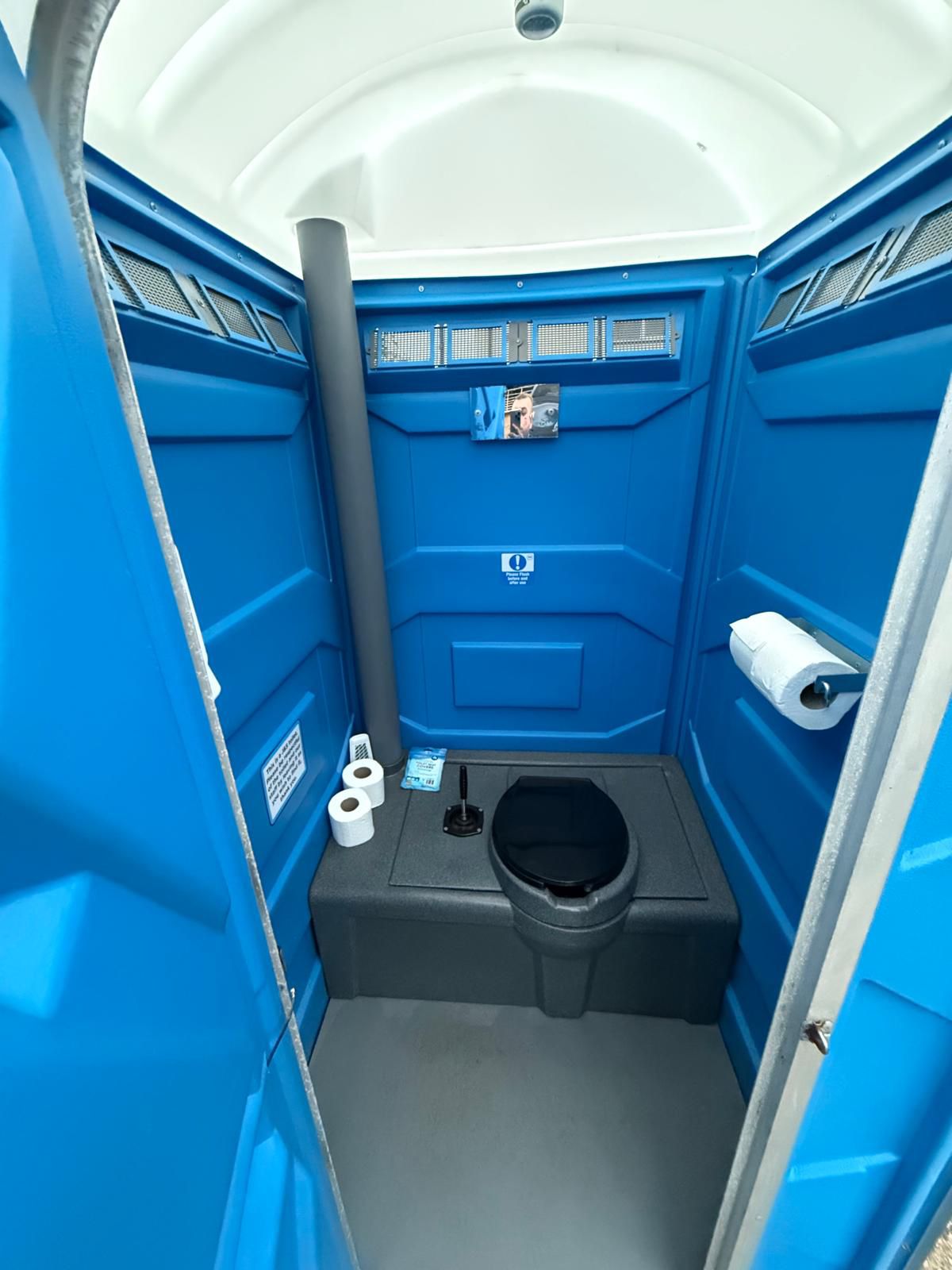
These baselines assume standard single cubicles with hand sanitiser. Adding proper hand washing stations, mains flushing units, or luxury trailers improves throughput and user satisfaction, sometimes allowing a small reduction in total cubicles for the same attendee count. The opposite holds if you select ultra-compact units or skip wash stations at events with food.
Why ratios break when alcohol, families, or long dwell times enter the picture
Alcohol increases toilet visits per person and shortens the interval between them. A craft beer festival or rugby club fundraiser might double the visit frequency compared to a dry council event. Anecdotally, at beer-forward events in Essex market towns, moving from 1 per 80 to 1 per 50 often turns a queue problem into a non-issue, especially at peak sessions.
Families change the rhythm too. Parents often accompany children, which doubles occupancy time per visit. Prams need space. That means you either add larger accessible units that accommodate a parent and child or you increase overall unit numbers so one child in a cubicle does not stall a line of adults. For daytime school fetes, mixing one accessible unit per 6 to 8 standard units works well even when your legal minimum is lower.
Long dwell times, where people stay for several hours rather than coming and going in a short window, push numbers up. A village fiesta on a single green with music, food vendors, and a bar keeps people anchored. The same headcount spread along a 5K running route has different needs. Concentration is the enemy of low unit counts.
Gender mix and accessibility are not afterthoughts
Women tend to require more time per visit, and sanitary disposal bins add housekeeping needs. If your audience skews female, plan a higher ratio. For evening concerts with 60 to 70 percent women, we often see best results at 1 per 50 to 60 attendees, and we split banks so women are closer to the stage entry points.
Accessibility is not just a compliance tick. An accessible unit gives space for carers, supports families with toddlers, and helps guests with temporary injuries. On public events, aim for at least 1 accessible unit per 8 to 10 standard units, and position them on firm, level ground with clear routes, lighting, and signage. For weddings and private functions, one accessible unit for every 150 to 200 guests is a safe range unless you know you have specific accessibility needs, in which case add more.
Servicing frequency buys you capacity
Servicing changes how many people a unit can comfortably support over time. With a mid-event pump-out and restock, a smaller bank can perform like a larger one. On a 12-hour food and music event, scheduling a service after the lunch rush cleans the slate before the evening peak. For two-day events where power and waste access allow, one service per day and a late-night check keeps complaints at bay.
On construction, weekly servicing is common, but if you pour slabs, cut stone, or run a hot asphalt crew, you will want to go twice weekly or add an extra unit. Faster fill and heavier hand washing deplete consumables. You can spend the same money on more frequent service instead of more units, and in tight compounds that can be the only practical option.
An Essex-specific reality: weather, ground, and access
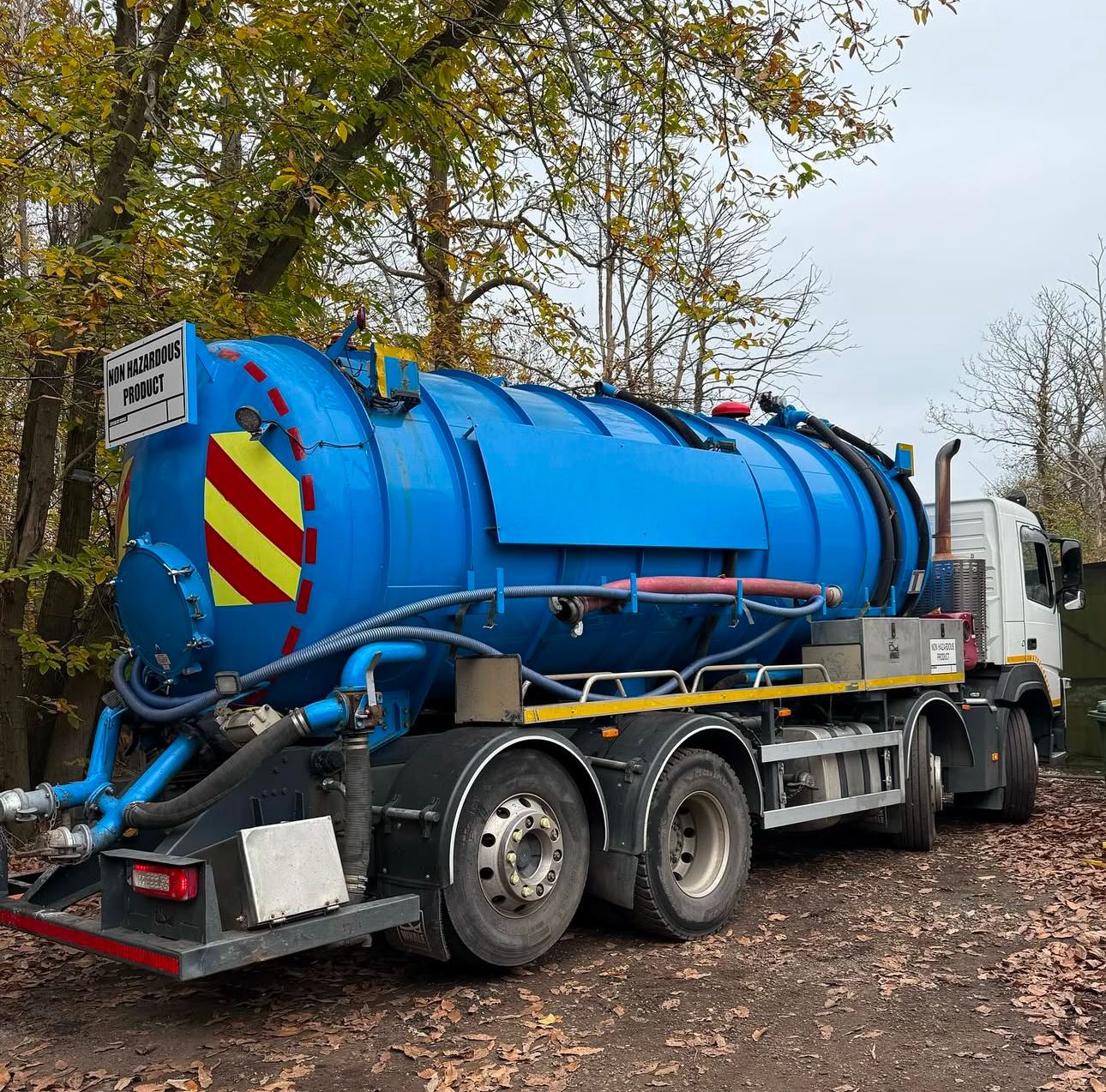
Essex weather changes quickly near the coast and on exposed farmland. Wet ground affects placement and the safe movement of vacuum tankers. If we cannot reach units for servicing during the event because a track turned to mud, your capacity shrinks in the hour your crowd needs it most. On soft ground, use trackway for service routes, set units on level pads, and cluster where an 18-tonne vehicle can safely reach. Where access is tight, consider smaller service vehicles, or commit to more units and fewer mid-event services.
Coastal breezes can slam doors and tip lightweight units if they are not staked or tied to ballast. We have seen rows of units wrapped in hazard tape after a gusty afternoon on Clacton seafront, and the fix is simple: anchor them and leave wind gaps between blocks. Your usable count is the anchored count. It is the same with poorly lit fields. If guests cannot find the bank in the dark, your real capacity is lower than what you hired. Budget a lighting tower per cluster.
Quick reference: event types and starting points
Here is how I usually advise clients looking for mobile toilet hire Essex services across common scenarios. These are starting points to discuss, not purchase orders.
- Weddings and marquee receptions, 100 to 150 guests, mixed ages, 8 hours: 2 to 3 luxury trailer cubicles per gender or a 2+1 luxury trailer plus one accessible unit. If budget prefers standard units, 3 to 4 standard units plus one accessible and a hand wash station. Beer-focused festivals, 500 patrons per session, 6 hours, heavy drinking: 10 to 12 standard units plus 2 accessible, spaced near bars and away from food, with a mid-session restock. Add urinal bays if available to cut male queues and lower total cubicle count by one or two. Community fairs, 1,000 attendees over 8 hours, family-heavy: 12 to 16 standard units, 2 accessible, and at least one baby changing table. Place half near the kids’ area and half at the main green. Sports events with waves, 1,500 participants and spectators, peak pre-start and halftime: 18 to 22 standard units, 2 accessible, with most up front for the pre-race surge and a smaller bank at the finish. A mid-event service between waves helps more than extra units. Construction, 20 workers, single shift, 5 days a week: 2 to 3 units with weekly service, or 2 units with twice-weekly service if space is tight. Add a hot water hand wash if you handle mortar, adhesives, or dusty cuts.
That list covers typical Essex use cases from Harlow to Colchester. Adjust 10 to 20 percent for uneven gender mix, hot weather, or bar-heavy functions.
When urinals, hand wash stations, and luxury trailers change the maths
A bank of stand-alone urinals handles high volume quickly and can allow you to reduce male-designated cubicle count. At a summer concert on the Ardleigh Showground, adding two 6-bay urinal pods cut queue times in half and allowed the organiser to drop three single cubicles without any complaints. Urinals are not a replacement for accessible facilities and should be placed with privacy screens and lighting.
Hand wash stations do not increase cubicle count, but they speed overall flow, reduce mess inside, and keep catering compliant. Where food vendors operate, environmental health officers expect proper hand washing, not just sanitiser. A double-basin hand wash station per 4 to 6 cubicles near food saves grief and improves guest satisfaction. For construction sites, a hot water wash station becomes essential for trades handling cement or insulation. The Health and Safety Executive guidance is clear on welfare: adequate washing facilities with hot and cold running water where practicable. If you cannot provide hot water, you compensate with more frequent cleaning, more sanitiser, and strict housekeeping, but that is never the preferred route.
Luxury trailers shift the experience. They have separate male and female zones, flushing loos, proper sinks, mirrors, and often attendants. Because users spend a little longer inside, you do not always cut your unit count, but you can achieve better satisfaction at the same number. For weddings and corporate hospitality, two plus one trailers (two female cubicles, one male cubicle plus urinals) suit 100 to 150 guests comfortably. For larger guest lists, two trailers backed by two accessible units tends to be smoother than a single oversized trailer, especially on uneven ground.
The reality of peak load: short queues are fine, surges are inevitable
Every event has a surge. At a festival it is between acts. At a sporting event it is pre-start and halftime. For public ceremonies, it is the 20 minutes before the speeches. Your system is not broken during those 10-minute spikes as long as queues move. The aim is not zero waiting, it is reasonable waiting with good cleanliness.
The best trick is physical distribution. Two smaller clusters will outperform one large block in a corner. People will not walk far for a toilet, and they will not find a hidden bank without signs. Place units where lines of travel converge, not behind the stage or next to the generator. At a coastal carnival last year, moving a bank 40 metres closer to the bar saved a perceived shortage without adding a single unit. For construction, put the unit where crews actually break, not near the site office for management convenience. Workers will stretch compliance if the walk is too long.
Cleaning standards decide how many complaints you get
A half-clean toilet is a closed toilet in practice. Stock it, service it, keep it dry. That means a clear plan: who checks, how often, and what happens at the point of a problem. At events, appoint a runner with a key, spare rolls, bin bags, and sanitiser. On sites, set a daily housekeeping routine and a named person, not a vague instruction to the team. If J&S Toilet Hire is servicing, we will restore supplies and pump, but a local check between services fills the gap. One blocked unit in a bank of six raises wait times by 20 percent and drives users to the other five. The maths is unforgiving.
Permits, neighbours, and environmental points
Most short-term hires on private land do not need formal permissions, but large public events should check with the council, especially if you plan road closures or late-night amplified music. Be mindful of run-off near watercourses and drains. Portable toilets are sealed, but wash stations and cleaning practices can create small puddles if sited poorly. A slight slope away from footpaths avoids slicks and trip hazards. Neighbours judge events by what they see and smell. Keep banks tidy, screen them from street view where you can, and plan waste vehicle access that avoids late-night noise on residential roads.
Budgeting without surprises
Costs break into three parts: delivery and collection, hire days, and servicing. Delivery is distance and access dependent. A farm track needs more time and sometimes smaller vehicles. Daily rates vary by unit J&S Toilet Hire type, season, and demand. Peak summer weekends in Essex book early, especially luxury trailers for weddings along the A12 corridor. Servicing adds line items for pump-outs, water, and restocking. If you push unit numbers lower, budget for more service. If you choose to spend on more units, you can often reduce services. We routinely model both options for clients. The cheapest schedule is the one that matches your crowd behaviour, not the one with the smallest number of cubicles.
A realistic planning workflow that prevents overspend
- Estimate peak on-site headcount, not ticket sales or invite list. Use real numbers for staff, vendors, volunteers, and performers who share the facilities. Map activity peaks and the layout. Where will people be at those times, and how far will they walk? Choose unit types that fit the audience and ground: standard, accessible, urinal bays, hand wash stations, or luxury trailers. Decide between more units or more frequent service based on access, noise restrictions, and tanker routes. Lock delivery, placement, anchoring, lighting, and signage. Confirm a named contact for mid-event checks.
That sequence saves money because each decision narrows the next. By the time you ask for a quote, you know whether toilet hire Essex providers should price a single bank near the main gate or three small clusters, and whether a service at 3 pm will actually be possible.
Edge cases worth calling out
Remote fields with no vehicle access during event hours. If a tractor and bowser cannot reach the units after gates open, you must oversize the initial capacity or schedule an early morning service. We can sometimes use smaller service vehicles, but only if the ground and route allow it.
High heat days. People drink more water and spend more time washing hands. Scent intensifies. Increase units 10 percent, add extra hand wash, and double your consumable stock. Shade your banks if possible.
Multi-site festivals. If you have three stages or activity zones, give each its own bank sized to its audience, not a central mega-bank. Cross-traffic kills capacity and safety.
School events with staggered arrival. Classroom-to-field changeovers cause micro-surges. Put one small bank by the coach drop-off and a larger bank near the main field.
Heritage or listed sites. Ground protection, load limits, and sightlines may constrain placement. Plan for protective matting and agree routes with the venue manager early.
How J&S Toilet Hire approaches capacity planning
We start with a short call to gather the shape of your event or site, then we map it to past jobs in Essex that look similar. Data helps, but local memory matters. For example, a bank near the boathouse at Heybridge Basin looks fine on a map until the lunchtime rush queues across the towpath. We anticipate that because we have seen it. We also carry spare consumables and can schedule last-minute services if access is possible. During heatwaves or heavy rain, we advise on small on-the-day shifts, like opening a service track earlier or moving a bank 15 metres to firmer ground.
For construction clients, we align with the main contractor’s RAMS and the welfare section of the site setup. If you are moving phases, we plan relocations between trades so you do not lose half a day of productivity. Where HSE expects hot hand washing, we specify units with built-in heaters or stand-alone hot wash stations and confirm power or LPG availability.
A few real examples from around the county
A charity beer festival in Brentwood ran two sessions, afternoon and evening, with 600 attendees per session. The organiser wanted 6 cubicles to save budget. We recommended 10 plus one 6-bay urinal pod and one accessible unit, with a quick restock between sessions. The result: queues stayed under 5 minutes at peak, and the organiser reported better bar revenue because people spent less time in line.
A coastal wedding near Frinton used a 2+1 luxury trailer for 140 guests. The reception ran long, and the bar stayed popular. Around 10 pm, the female side started to queue. We had placed one extra accessible unit outside the main cluster specifically for parents with buggies and as overflow. That single addition spread demand and kept the trailer tidy for the rest of the night.
A refurbishment site in Southend had 16 workers and no space for two units. We installed one hot wash unit and moved to twice-weekly servicing early in the programme. Productivity stayed stable, complaints dropped after the second week, and the site team never asked for a second unit.
What about hand sanitiser versus proper sinks?
Sanitiser is good for quick throughput and light use, but it does not replace soap and water where food is consumed or where work involves hazardous substances. For public events with food traders, put proper hand wash stations near eating areas and at least one within every main bank of units. For staff and vendors, provide dedicated sinks and post clear signage. On construction, follow COSHH and HSE guidance. If cement, epoxy, or fibreglass dust is involved, insist on soap and water. Sanitiser does not remove many contaminants, it just disinfects.
Cleaning, consumables, and the invisible half of the job
The best-looking event can be sunk by empty dispensers and overfull bins. Plan your stocking like you plan your staging. For a 1,000-person day event, expect to go through 20 to 30 toilet rolls per 10 units, depending on alcohol and family mix. Sanitary bins fill faster than you think. Do not rely on a single late-day sweep. Someone should check each bank every hour during peak, and every two hours otherwise. We provide restock packs on request. If you have volunteers, brief them with a simple route and a key, not vague instructions.
Final thought: the right number is the number that fits your layout and behaviour
There is no single ratio that works across every field in Essex. You are modelling human habits under specific conditions. Start with known baselines. Adjust for alcohol, gender mix, families, and dwell time. Decide whether to spend on more units or on servicing. Place banks where people actually are, and make sure service vehicles can reach them when needed. If you treat toilets as part of the flow of your event or worksite, not an afterthought, your numbers will land right.
If you are planning mobile toilet hire Essex wide, or need reliable toilet hire Essex for a site starting next week, J&S Toilet Hire can run the numbers with you, sense-check the plan against similar local jobs, and recommend the blend of units, wash stations, and servicing that meets your budget without courting queues.